
A stress-free working environment is right for every human being. Economic recession is an external factor. A recession has some negative factors which affect employees’ psychology directly and indirectly. unemployment, loss of opportunities, work pressure, organizational change, less client confidence and freezing international relations are common indicators of recession. Factors associated with employees changed between 2003 to 2009 (Russell & McGinnity, 2013). Side-effects of COVID-19 will last for the decade and now economies are going toward the state of recession.
This research study contains five portions:
- 8 Stress management tips for employees in the economic recession
- Structure for employees
- 7 Stress management tips for Boss in the economic recession
- Structure for Boss
- Conclusion
8 Tips for Employees in the Economic Recession
Sudden wealth loss, depression and mental health in employees increased consumption of antidepressant drugs (McInerney et al., 2013). Dissatisfaction with the working schedule leads to acute disorders in employees including heart disease (Li et al., 2021) in extreme cases. Recession has some limitations. Here are some tips to cope with stress in a recession period.
1. Accept the economic situation:
Situation acceptance may be difficult but in the long run, it would be helpful. It would enhance your positive response to challenges.
2. Stop overthinking:
Do not think too much. Let the time flow. time will settle down this situation. Life will get use to handle intense situations.
3. Socialization:
Meet the people who surround you. Socialization helps heal many behavioural problems. family gatherings and making new friends are the simple solutions to the difficult situations.
4. Maintain work-life balance:
Personal development is the factor that not only flourishes in the organizational working environment but also to spend time with the family. A better family is always ready to support each other in every situation.
5. Visit stress-free zone:
Visit parks (Razani et al., 2018), playgrounds, and gyms to reduce the level of stress. It costs less but has much better outcomes.
6. Cognitive therapy:
This therapy includes reframing thoughts, discovering new ways to relax, recognizing your strengths, recording thoughts, rescheduling and behaviour activation and experiments(Woolfolk & Lehrer, 2021), challenging yourself, brainstorming relaxation and stress reduction techniques. This technique may require psychological experts.
7. Managing current resources and adjusting expectations:
Resource management is the best practical approach to reduce recession stress. Taking proactive actions by reducing expenses, and finding new ways for extra income is very important for survival.
8. Believe in your dreams:
Stick to your goals, avoid negative people, avoid the extra burden, dream big, believe in yourself (Jain, 2021) and stop comparing yourself with others would help you to stay positive.
Stress management structure for employees
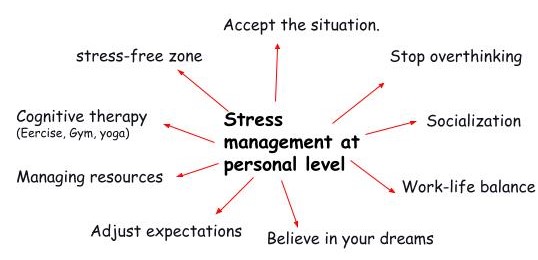
Figure 1.1 is showing the combination of these useful tips would help to cope the economic recession situation.
7 Tips for Boss in Economic Recession
Uncertain economic situation, threats to businesses, unemployment and lack of trust are some curses of recessions. Good level of relation and cooperation is needed to attain the good behaviours. here are some tips for Bosses in the economic recession.
9. Quality of Work Life:
Quality of work life motivates employees to stay involved, committed and satisfied with their work (Hussain & Saleem, 2014). If the employees enjoy the work life standards in doing their daily tasks, they will be more involved, committed and satisfied in the dynamic working conditions.
10. Job involvement and maintaining benefits:
In the recession, businesses are not going well but try to maintain current benefits for employees. This may affect net profits a little, but it is affecting a lot on the employees’ side. Financial security and health insurance are significant factors to develop social networks with employees.
11. Effective leadership:
A good leader works as a ladder and mentor for the employees’ personal growth. Being in-formal, motivation, positive reinforcement and good communication skills are the preferable tools to stay connected with employees.
12. Flexible working works:
Flexible working hours or work from home may play a remarkable role in reducing stress among employees (Frech & Damaske, 2012).
13. Empowerment:
Giving authority is very important in developing a sense of ownership in employees. The innovative behaviour flourishes under the shades of empowerment. Empowerment not only works for Employees’ stress reduction but it is also very beneficial for the business in the long run.
14. Encourage work from home:
After the COVID-19 pandemic situation, work from home is a common trend worldwide. Physically distinct work was not a new concept. More than 71.7% of employees are found potential assets in a pandemic (Bick et al., 2020). If women are highly educated and work from home, they can contribute to significant betterment in meeting deadlines. Work from home must be encouraged in educated employees for better outcomes.
15. Short-term loan and Finance management guidelines:
Job insecurity and financial insecurity leave a worse impact on employees’ behaviours. The financial decline can be envisioned with the recession. The economic pressure and meeting expenses are complex debates. Short-term loans can help employees in a recession situation to meet emergency needs. Arranging finance management webinars for employees can assist employees to understand earn and spend effectively.
Stress managing structure for Boss
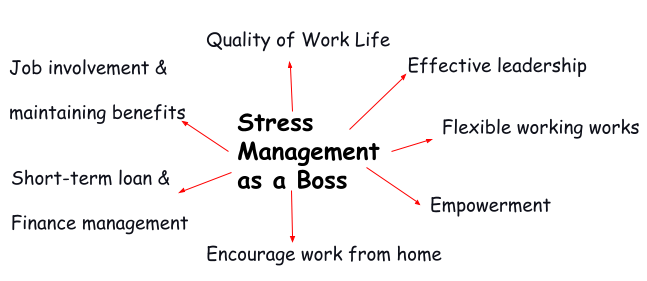
Figure 1.2 is showing some useful tips for the Boss in the economic recession situation.
Conclusion
A recession is an external economic factor. It cannot be avoided at the organizational level. Proactive action can prevent employees and a boss from the worst effects of the recession. Survival is hidden in the cooperation between employees and boss, adopting change, thinking positively and staying proactive in every upcoming situation. Avoiding stress is the best action for stress management. Sometimes simple solutions like family gathering and making friends would work for the difficult situations.
References
Bick, A., Blandin, A., & Mertens, K. (2020). Work from Home After the COVID-19 Outbreak. Research Department Federal Reserve Bank of Dallas. https://doi.org/10.24149/wp2017
Frech, A., & Damaske, S. (2012). The Relationships between Mothers’ Work Pathways and Physical and Mental Health. Journal of Health and Social Behavior, 53(4), 396-412. https://doi.org/10.1177/0022146512453929
Hussain, T., & Saleem, S. (2014). Do Employees’ Job Satisfaction, Involvement and Commitment Mediate Relationship Between Quality of Work Life and Employees’ Retention? World Applied Sciences Journal, 30(2), 245-252. http://idosi.org/wasj/wasj30(2)14/22.pdf
Jain, K. (2021, Jan 05). How to Manage Stress during Economic Recession? Retrieved 08 04, 2022, from https://www.medindia.net/patients/lifestyleandwellness/managing-stress-during-economic-recession.htm
Li, Z., Farmanesh, P., Kirikkaleli, D., & Itani, R. (2021). A comparative analysis of COVID-19 and global financial crises: evidence from US economy. Economic Research-Ekonomska Istraživanja. https://doi.org/10.1080/1331677X.2021.1952640
McInerney, M., Mellor, J. M., & Nicholas, L. H. (2013). Recession Depression: Mental Health Effects of the 2008 Stock Market Crash. Health Economics, 32(6), 1090-1104. https://doi.org/10.1016/j.jhealeco.2013.09.002.
Razani, N., Morshed, S., Kohn, M. A., Wells, N. M., Thompson, D., Alqassari, M., Agodi, A., & Rutherford, G. W. (2018). Effect of park prescriptions with and without group visits to parks on stress reduction in low-income parents: SHINE randomized trial. PLOS ONE. https://doi.org/10.1371/journal.pone.0192921
Russell, H., & McGinnity, F. (2013, 04). Under Pressure: The Impact of Recessionon Employees in Ireland. British Journal of Industrial Relations, 52. https://doi.org/10.1111/bjir.12018Woolfolk, R. L., & Lehrer, P. M. (Eds.). (2021). Principles and Practice of Stress Management, Fourth Edition (4th ed.). Guilford Publications.
Woolfolk, R. L., & Lehrer, P. M. (Eds.). (2021). Principles and Practice of Stress Management, Fourth Edition (4th ed.). Guilford Publications.